

Quick take on the Ultra-Luxury Car Market
 Ria V Vaghela
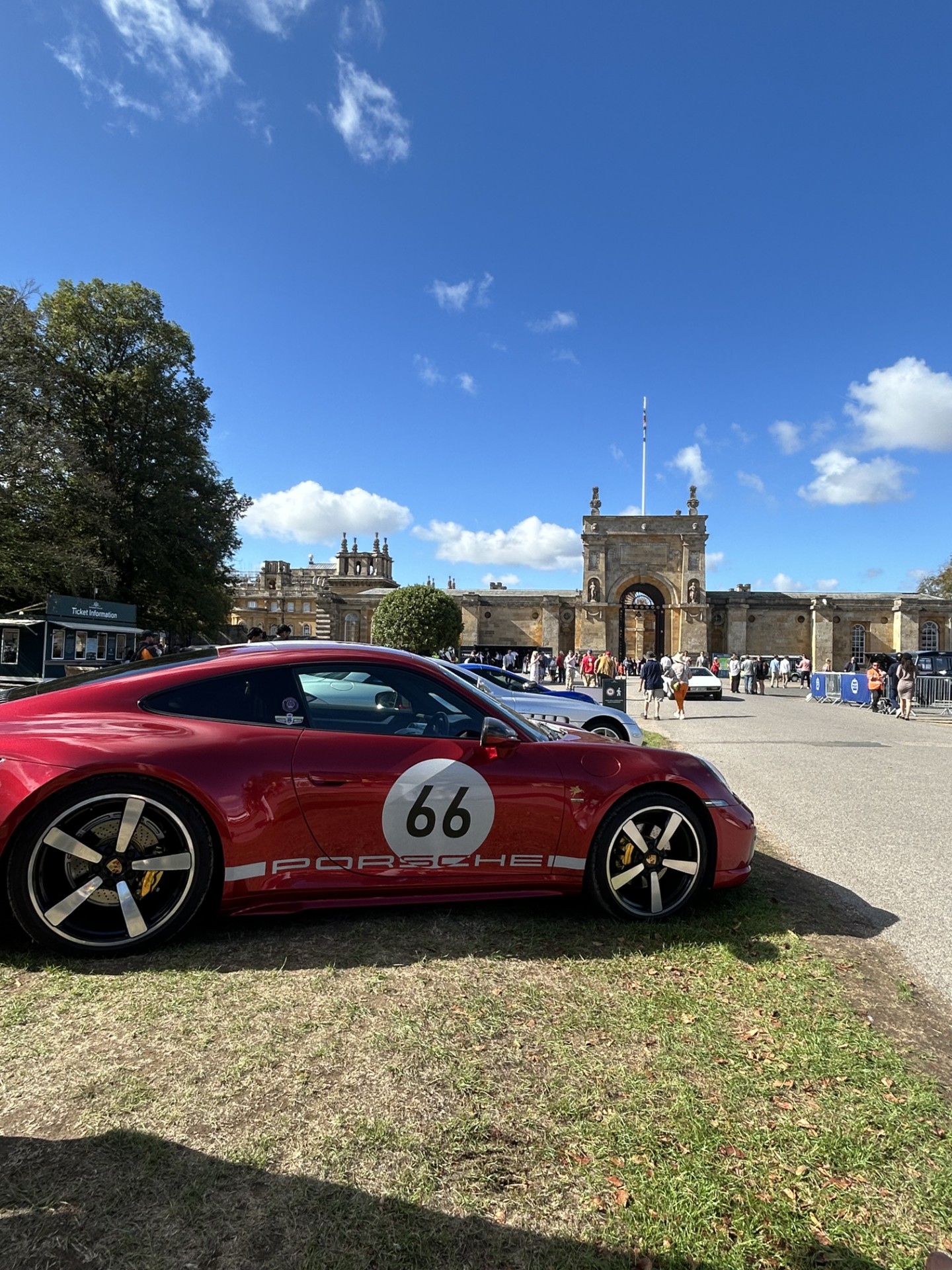
 I attended the Salon Privé Supercar Saturday earlier this month expecting to spend the day looking at some very expensive cars but, me being me, I started wondering about what a completely different world this is! How is this market so nonchalant about the low global economic sentiment!
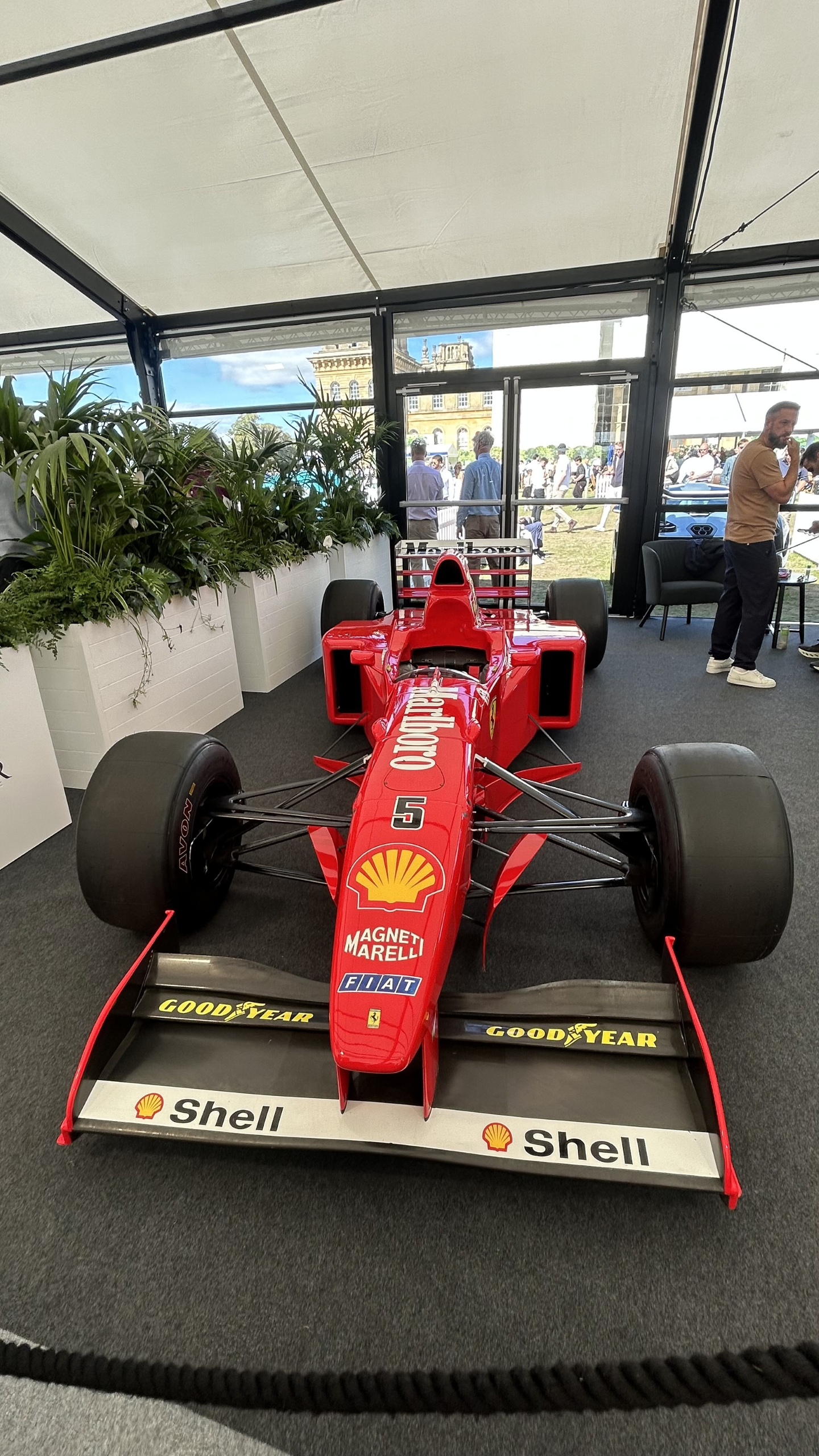
Walking around Blenheim Palace, you had everything from historic Ferraris and Maseratis to Lamborghinis, Koenigseggs and modern hypercars that most of us will probably never see on a normal road.
But after a while, the price tags become almost irrelevant. Some cars were incredibly valuable, while others, despite being expensive, rare and fast, never achieve the same status. It made me want to understand the economics behind the ultra-luxury car market. And the more I looked into it, the clearer the answer became. At the very top of this market, people are not simply buying horsepower. They are buying scarcity, provenance, engineering, personalisation, identity and access.
Old luxury versus new luxury
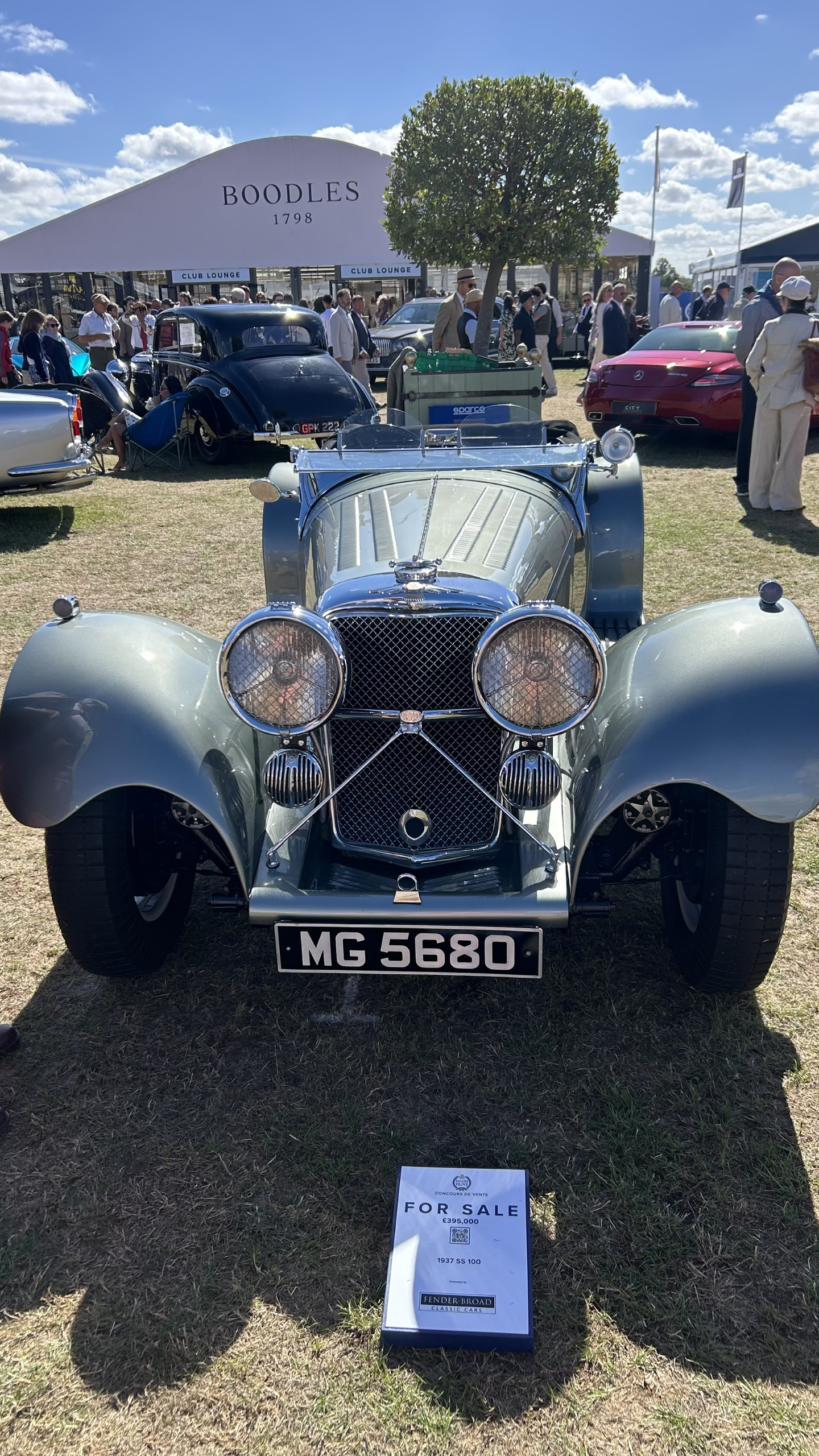
The Lamborghini Miura is probably the easiest place to start. Now 60 years old, the Miura helped create what we think of today as the modern supercar. Its mid-mounted V12, dramatic proportions and Marcello Gandini-designed body made performance feel theatrical. Miura was not valuable simply because it was fast. It represented something new.
Compare that with today’s ultra-luxury car market. We now have hybrid V12s, electric hypercars producing extraordinary amounts of power and manufacturers such as Koenigsegg building tiny numbers of cars around extreme engineering. The technology has changed enormously. The underlying value drivers have not changed nearly as much.
Whether it is an early Ferrari, a Miura or a modern limited-production hypercar, the cars that attract serious collectors tend to combine some version of the same ingredients: scarcity, provenance, engineering credibility, design, cultural significance and a story.
The difference is that modern manufacturers have become much better at monetising those qualities.
Scarcity is part of the business model
One thing that makes the ultra-luxury car market unusual is that selling more cars is not necessarily the objective.
Ferrari is a good example. In the second quarter of 2026, Ferrari’s revenues increased 8% year-on-year to €1.94 billion despite shipments falling. The company specifically highlighted product mix and personalisation as important drivers of its performance and raised its 2026 guidance.
That tells you a lot about the economics of this market. The objective is not simply more cars. It is more value per car.
Bentley is following a similar model. It reported €2.6 billion of revenue for 2025, supported by disciplined pricing, richer model mix and continued demand for Mulliner bespoke vehicles.
Rolls-Royce takes personalisation even further. Its Bespoke division increasingly creates cars around individual clients’ histories, tastes, families and memories.
At this level, luxury stops being about choosing the most expensive option on a configurator. The product becomes personal. And personalisation gives manufacturers another way to increase the economics of each car without flooding the market with more supply.
Why old cars can be worth more than new ones
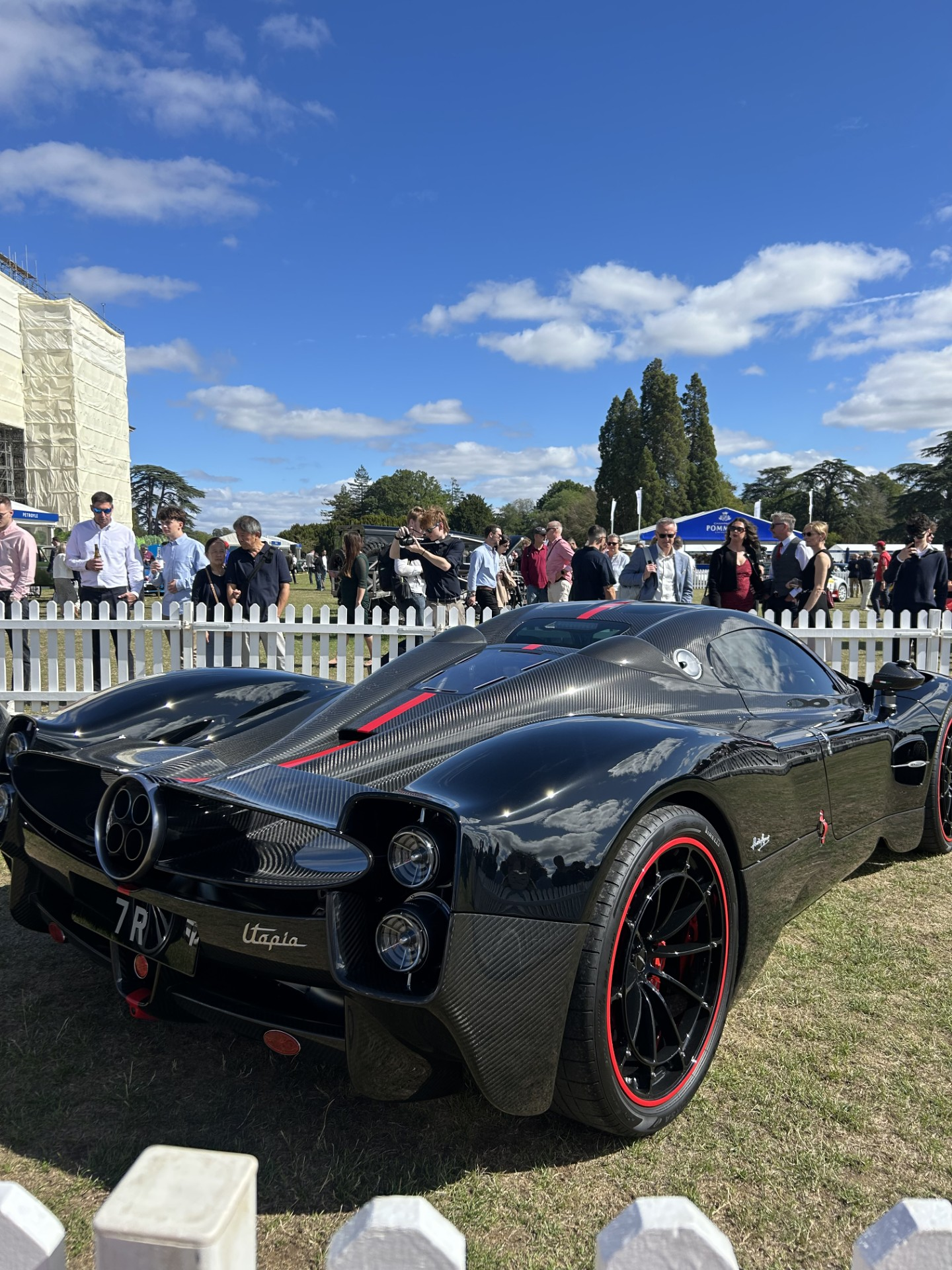
This is where the collector market becomes particularly interesting. A historic Ferrari is not valuable simply because it is old. Plenty of old cars are worth very little.
Value comes from the combination of factors behind the car: production numbers, originality, racing history, ownership history, coachbuilder, condition, documentation and cultural significance. In other words, provenance becomes part of the asset. That also explains why two examples of exactly the same model can sell for very different prices. One might have an important previous owner, original matching components and decades of documentation. Another might have undergone extensive restoration with little surviving history. On paper, they are the same car. To a serious collector, they are completely different assets.
This is also why collectible cars should be treated carefully when people describe them as “investments”. They can behave like alternative assets, but they are not financial assets in the traditional sense. There is no daily market price. Liquidity can be limited. Maintenance, storage and insurance cost money. Condition matters enormously. Fashion changes. Yet at the very top end, demand remains significant.
Monterey Car Week’s 2026 auctions generated around $755.6 million of sales, a record headline figure. The important point is not that every classic car is increasing in value. It is almost the opposite. The market appears increasingly selective. Exceptional cars with genuine rarity, history and provenance can still attract extraordinary demand. Cars without those qualities have a much harder time.
Bristol Cars: when failure becomes part of the story
Of everything I saw and read about around Salon Privé, Bristol Cars might be the most interesting case study. Because Bristol is not a straightforward luxury success story.
Its roots go back to the Bristol Aeroplane Company, which moved into car production after the Second World War. The company went on to produce tiny numbers of unusual British grand tourers, eventually using Chrysler V8 engines.
Under Tony Crook, Bristol developed an almost deliberately private image. This was not Ferrari-style glamour or Rolls-Royce-style grandeur. It was discreet, eccentric and very British. Then came the Bristol Fighter. Launched in the 2000s, the Fighter was completely different from the traditional Bristol formula: gullwing doors, an 8.0-litre V10 and performance in excess of 200mph. It was Bristol attempting to build a genuine supercar.
Commercially, however, the wider Bristol story unravelled. The company entered administration, later revival attempts struggled, and the historic Bristol Cars Limited remains in liquidation. Which makes what happened at Salon Privé this year much more interesting.
Can Bristol Cars come back?
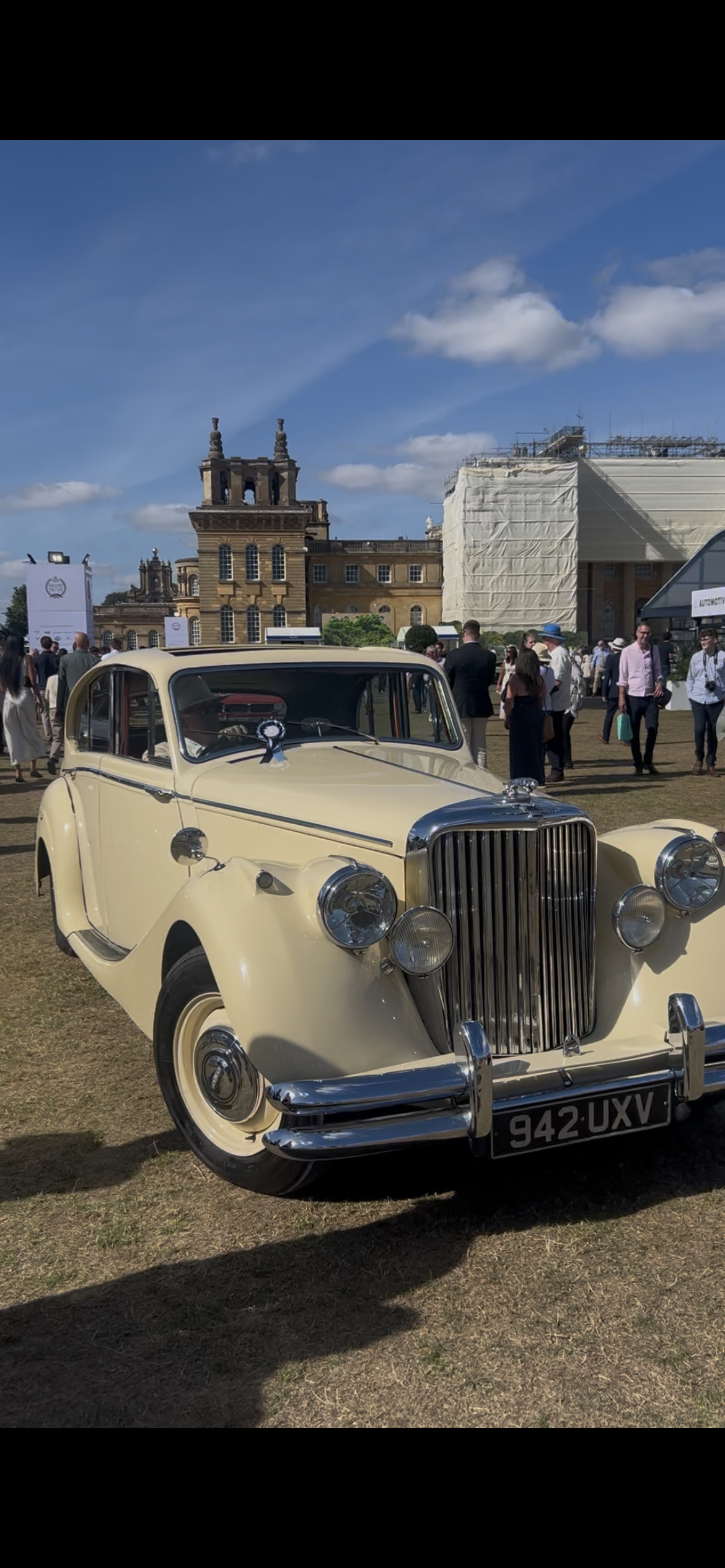
For Bristol’s 80th anniversary, a newly completed Fighter appeared at Salon Privé using an original unused chassis from the earlier production programme. Four further unused chassis reportedly remain, creating the possibility of just five of these continuation Fighters being completed. And this is where automotive economics becomes fascinating.
A failed manufacturer would normally be a negative. In the collector market, failure can sometimes become part of the scarcity. Bristol cannot suddenly produce thousands of Fighters. There are only a handful of original unused chassis left. The company cannot manufacture 80 years of history either. That creates something a newly invented ultra-luxury brand cannot easily replicate: continuity. Of course, five continuation cars are very different from rebuilding a sustainable manufacturer.
Reviving an automotive brand requires capital, engineering support, certification, aftersales infrastructure and enough buyers willing to trust the company over the long term.
Bristol’s future is far from guaranteed. But that uncertainty is also what makes the story interesting. It is not a polished corporate relaunch pretending the difficult years never happened. It is a small attempt to keep a very unusual British motoring story alive.
So where is the value in the ultra-luxury car market?
The wider luxury market is hardly booming. Altagamma expects personal luxury goods sales to grow by around 2-4% in 2026. Consumers have become more selective after years of aggressive price increases across luxury categories. But the strongest luxury carmakers are still showing resilience.
Lamborghini delivered a record 10,747 cars in 2025 and generated €3.20 billion of turnover. Ferrari continues to benefit from personalisation and richer product mix. Bentley is pushing further into bespoke. Rolls-Royce is effectively treating cars as individual commissions. There is a common thread here.
The ultra-luxury automobile market is moving from price towards meaning.
Having money is obviously the entry requirement. But when every potential customer can afford something expensive, price itself becomes a weaker differentiator. What becomes more valuable is what money cannot easily recreate: heritage, rarity, craftsmanship, provenance, access and identity.
That was probably my biggest takeaway from Salon Privé.
I went there thinking I would be looking at cars. What I was really looking at was a market built around scarcity. And at the very top of that market, people are not really buying transport anymore.
They are buying a story with an engine attached!
Disclaimer: This article is for educational purposes only and should not be considered financial advice. Collector cars and other alternative assets carry risks, including illiquidity, maintenance costs, valuation uncertainty and changing buyer demand. Always conduct your own research before making investment decisions.
Ria Vaghela
MSc Finance graduate from the London School of Economics and Political Science (LSE)

Ria V Vaghela is an M&A Associate at RSM UK and an MSc Finance graduate from the London School of Economics and Political Science (LSE). She has worked at Jefferies, Dial Partners, GP Bullhound and 7i Capital prior to RSM UK gaining an extensive experience in finance. She has also worked as an Editor and Content Writer for The Representative Media. Apart from finance, she is interested in reading books on philosophy, self-help and economics, likes to paint and play lawn tennis.
Recommended Posts

Hardware vs. Software: How Global Investors Are Splitting Their AI Bets Between South Korea and India
September 18, 2026

AI Is Not Ending Work But It Is Rewriting the Career Ladder
August 24, 2026