

Healthcare in 2026: A Sector Caught Between a Patent Cliff and a Supply Shock

 Ria V Vaghela
 A quick read
- UK pharmacies faced an aspirin shortage in January 2026, with prices up from 18p to £3.90 a pack while NHS reimbursement sits at £2.18. Wider pressure on the global medicines supply chain is being driven by the war in Iran, with Strait of Hormuz activity 90% below pre-war levels and Gulf air cargo capacity down 79%.
- Biopharma M&A is running at its strongest pace since 2019, driven by an estimated $230bn of revenue exposed to patent expiries by 2030. Q1 2026 alone saw $15.6bn in biopharma M&A, $77.3bn in licensing deals and $26.6bn of medtech M&A, with Novartis-Avidity ($12bn) and Merck-Verona ($10bn) among the headline transactions.
- The IPO window has reopened selectively. Eight biotech IPOs have raised around $2.63bn by mid-April 2026, led by Kailera Therapeutics at approximately $625m. Consumer health is also shifting, with oral weight loss pills launching and the UK CBD market approaching £1bn.
- The NHS Federated Data Platform could unlock up to £2.4bn in savings but is politically contested, while ECRI has ranked AI in diagnostics as its number one patient safety concern for 2026.
Introduction
Healthcare in 2026 is full of contradictions. Big pharma is spending heavily on deals, obesity drugs are reshaping the wider consumer health market, and dealmakers are closing some of the largest transactions seen since 2019. At the same time, the war in the Middle East has exposed how fragile the global medicines supply chain really is, and in the UK, the NHS is in the middle of a politically charged experiment with patient data. To make sense of where the sector is heading, it helps to look at the full chain, from how medicines are made right through to the deals market.
The Supply Shock

Start with the UK. Off-patent medicines, also known as generics, make up around 85% of NHS prescriptions. They are cheap to produce, sold at thin margins, and rely on long, concentrated supply chains. Only about 25% of the medicines used in the UK are made domestically. The rest is imported, with much of the active pharmaceutical ingredient (API) coming out of India and China.
That fragility was tested earlier this year. In January 2026, 86% of UK pharmacies surveyed by the National Pharmacy Association said they could not supply aspirin for at least a week. A pack of 75mg dispersible tablets, which usually costs around 18p, rose to £3.90, while the NHS only reimburses pharmacies £2.18 per pack. This means pharmacies lost money every time they dispensed it. The UK government added aspirin to the restricted medicines list on 17 January to stop it being exported or stockpiled, and committed up to £520m to expand domestic manufacturing.
Globally, the war in Iran has made things harder. Commercial activity through the Strait of Hormuz was reported to be 90% below pre-war levels in March, and air cargo capacity in the Gulf fell 79% between late February and early March. Dubai, Doha and Abu Dhabi are key hubs for cold-chain pharma, which is roughly 4% of global air freight. Biologics, vaccines, insulin and cancer therapies have had to be rerouted through Jeddah, Riyadh, Istanbul or Singapore, at higher cost and with longer lead times. Despite all the talk of supply chain resilience after COVID, a recent Argon & Co survey found only 22% of global pharma firms were actually stress-testing geopolitical risk at the end of 2025.
Big Pharma and the Patent Cliff
The biggest driver of dealmaking right now is the looming patent cliff. Around $230bn of biopharma revenue is at risk from loss of exclusivity by 2030, including blockbuster drugs like Keytruda, Eliquis, Gardasil and Jardiance. When a drug loses patent protection, generic versions enter the market, and the original manufacturer’s revenue drops sharply. That is why big pharma has been spending heavily to buy in new drugs before their existing ones lose exclusivity.
2025 was the strongest year for biopharma M&A since 2019, and Q1 2026 has continued the run. Globally, there were 19 biopharma M&A deals worth $15.6bn in the first quarter, on top of $77.3bn in announced licensing deals. Medtech added another $26.6bn across 37 deals.
The headline transactions tell the story. In the US, Novartis acquired Avidity Biosciences for $12bn to expand into rare muscle disorders. Merck spent $10bn on Verona Pharma and then $6.7bn on Terns Pharmaceuticals in late March for an oral leukaemia candidate, which is a classic Keytruda-cliff hedge. Eli Lilly paid $6.3bn upfront plus $1.5bn in contingent payments for Centessa, and Novo Nordisk agreed $4.7bn for Akero to push deeper into liver disease. Cross-border licensing from China also scaled up, with Pfizer’s deal with 3SBio involving $1.25bn upfront and up to $4.8bn in further payments if milestones are met. On the provider side, the proposed $26bn Sutter–Allina hospital combination in the US helped drive hospital M&A to a six-year high.
The IPO Window

The IPO market has reopened globally, but only for the strongest stories. Eight biotech IPOs priced by mid-April 2026 have raised around $2.63bn between them, which is already ahead of full-year 2025. Kailera Therapeutics, an obesity-focused biotech built around assets licensed from China’s Hengrui, led the pack with around $625m. Others include Eikon at approximately $381m, Aktis Oncology at approximately $365m, Generate Biomedicines at approximately $400m and Veradermics at approximately $295m. The pattern is clear: late-stage companies with differentiated science get through, platform-driven names price at a discount to their last private round, and aftermarket performance is mixed. Medline’s $7.26bn Nasdaq debut in December 2025, the biggest healthcare IPO in nearly five years, remains the reference point.
Weight Loss Drugs Go Oral
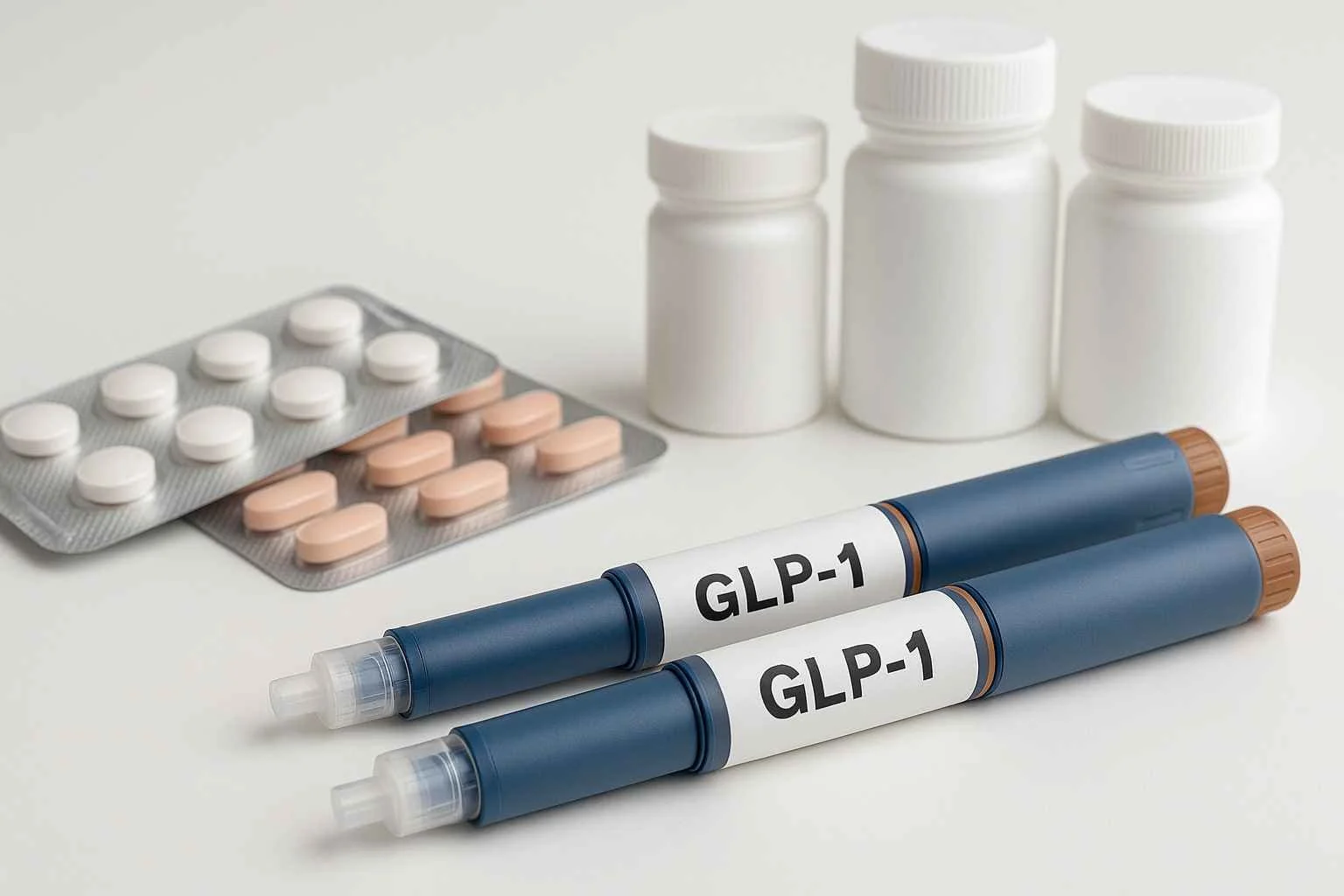
The GLP-1 story has moved on from shortages and compounding battles. In December 2025, the US FDA approved Novo Nordisk’s oral Wegovy, the first weight loss pill in this class, and Eli Lilly’s oral equivalent, orforglipron, is expected to follow. Oral versions will start at around $149 a month for cash-paying patients in the US, compared with $349 and above for the injections. From 1 July 2026, Medicare will also temporarily cover Wegovy and Zepbound for obesity under a federal bridge programme, which meaningfully expands access. Lilly’s triple-agonist retatrutide is expected to file this year. The market is shifting from a two-horse injectable race to a broader set of oral and multi-mechanism options.
CBD Goes Mainstream
The other consumer health story worth paying attention to is non-THC CBD. Unlike THC, CBD does not produce a high, and it is increasingly positioned as a wellness product for anxiety, sleep, pain and inflammation. Grand View Research estimated the global CBD market at around $10.7bn in 2025, growing at roughly 13–14% a year. In the UK, the market is approaching £1bn, with an estimated 1.3m regular users, making it one of the most widely used wellness categories in the country.
What is shifting in 2026 is the regulatory backdrop. The Food Standards Agency (FSA) has cut its recommended daily CBD intake from 70mg to 10mg and moved from a general “public list” of tolerated products to formal, product-by-product authorisation. The first authorised CBD products are now working through the system, which is pushing the market toward tested, compliant brands and away from the poor-quality end. Independent testing of UK CBD oils has historically found only around 38% were within 10% of their advertised CBD content, and nearly half exceeded the legal THC limit, so this regulatory tightening is long overdue. For investors, the implication is a classic consolidation story. Compliance-ready players with certified supply chains, lab-verified products and mainstream retail distribution will take share, while informal operators are squeezed out. Expect more M&A and private equity activity in this space over the next 18 months.
NHS Data and the Cost of Tech
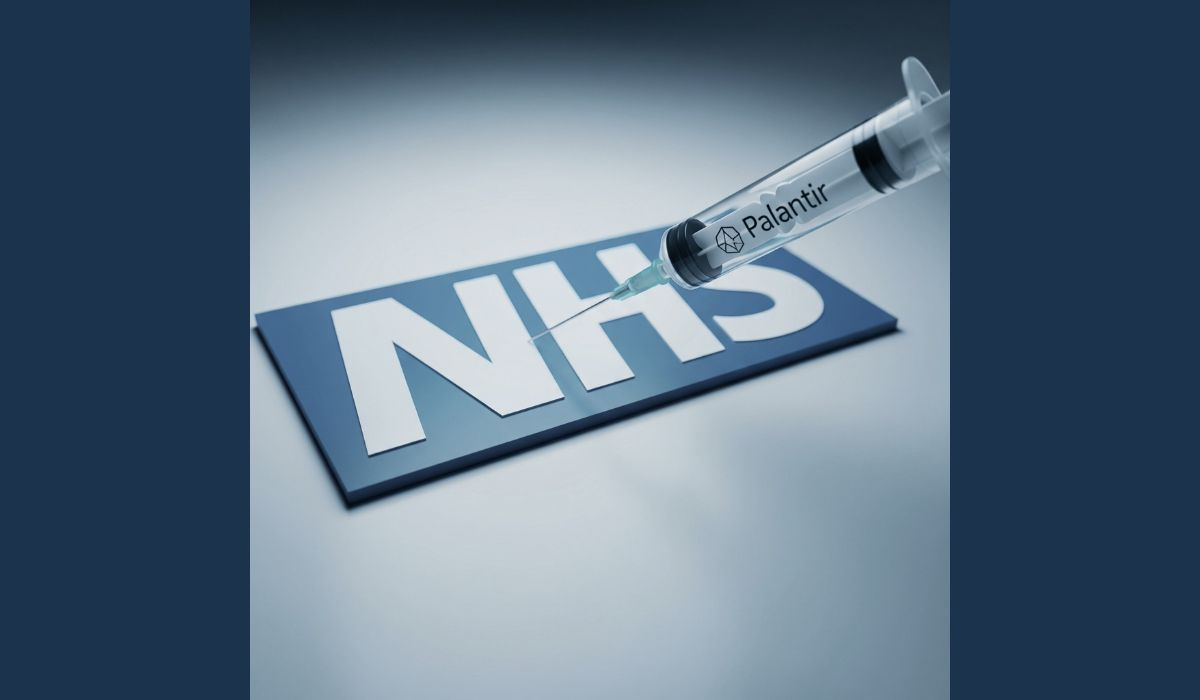
Back in the UK, the Federated Data Platform (FDP) has become the most important piece of health tech infrastructure in a decade. NHS England estimates it could unlock up to £2.4bn in efficiency savings, and Imperial College is running an independent economic study to test that number. Each NHS trust remains the data controller for its own instance of the platform, with Palantir acting as the data processor. The politics are complicated. A Westminster Hall debate on 16 April 2026 surfaced concerns about vendor lock-in, sovereignty and Palantir’s activities outside the UK, with several MPs calling for the contract to be reviewed. Whatever one’s view, the FDP is being embedded trust by trust, which means any replacement system would now carry very high switching costs.
The Limits of AI

AI is the other major tailwind for the sector globally, but the honest picture is more mixed than the headlines suggest. ECRI, a US-based patient safety institute, ranked AI in diagnostics as its number one patient safety concern for 2026. Some machine learning models failed to identify up to 66% of deteriorating health conditions in simulated cases. Performance also degrades materially for groups that are underrepresented in training data, including darker-skinned patients in dermatology and rural populations in radiology. There is also growing concern about automation bias, where clinicians accept AI suggestions under time pressure without fully reviewing them. For dealmakers, the takeaway is that AI-enabled diagnostics and drug discovery companies should be valued on validated, subgroup-level performance data, not just platform narratives.
What to Watch
Three things matter from here. The Strait of Hormuz and the Bab el-Mandeb are the key near-term variables. Prolonged disruption would push API and cold-chain costs higher and accelerate reshoring, which is already visible in North America, where domestic pharma manufacturing investment is up around 35% since 2024. The Keytruda patent cliff in 2028 is the deeper structural driver of M&A, so expect continued $5–10bn tuck-ins, more licensing from China, and more private equity activity in pharma services. In the UK specifically, the FDP’s path will shape NHS tech procurement for years. And globally, the July Medicare GLP-1 bridge will be the next major commercial readout for Novo and Lilly.
Sources
Supply chain
- National Pharmacy Association, Pharmacies report widespread shortages of Aspirin (January 2026)
- Pharmaceutical Journal, Aspirin added to restricted medicines list (January 2026)
- Think Global Health, Where the Iran War Could Disrupt Pharmaceutical Supply Chains (March 2026)
- PharmExec, Medical Supply Chains at Risk Over Escalating Conflicts in Iran (April 2026)
- Pharmaphorum, The conflict in the Middle East is exposing dangerous preparedness gaps in pharmaceutical supply chains (April 2026)
- Supply Chain Digital / Healthcare Digital, UK Pharmacies Could Struggle as Aspirin Shortage Intensifies (April 2026)
- PharmiWeb, Impact of Geopolitical Tensions, Sanctions, and Supply Chain Disruptions on Generic Drug Manufacturing (April 2026)
M&A and IPOs
- PwC, Global M&A trends in health industries: 2026 outlook (January 2026)
- PwC, US Pharma and Life Sciences Deals Outlook 2026
- ING Think, Come Together: Pharma M&A set to accelerate in 2026 (January 2026)
- J.P. Morgan, Q1 2026 Biopharma and Medtech Deal Reports (April 2026)
- Fierce Pharma, March M&A surge triggers high expectations for 2026 (April 2026)
- Fierce Healthcare / Kaufman Hall, Hospital M&A roars back to life in Q1 2026 (April 2026)
- BioPharma Dive, Biotech IPOs stayed at slow pace, but grew larger in Q1 2026 (April 2026)
- BioSpace, IPO Tracker 2026 (April 2026)
- BioBucks, Biotech IPO Tracker 2026 (April 2026)
- Xtalks, Pharma and Biotech IPOs of 2026: A Running List (March 2026)
- DeciBio, Healthcare Investment February Round-Up 2026
GLP-1s and new medicines
- CNBC, 2026 is the year of obesity pills (January 2026)
- NBC News, What to watch for in weight loss drugs in 2026 (January 2026)
- NPR, What’s ahead for GLP-1s in 2026 (January 2026)
- Scientific American, Wegovy Pill Becomes First Oral GLP-1 Weight-Loss Drug Approved in US (December 2025)
- FoodNavigator-USA, GLP-1 drugs and the future of weight loss (April 2026)
CBD
- Grand View Research, Cannabidiol Market Size And Share Industry Report (2025/2026)
- IMARC Group, UK CBD Market Size, Share, Growth & Outlook 2026–2034
- Releaf UK, UK CBD Statistics 2025 (October 2025)
- Future Market Insights, CBD Oil Market Size, Share & Forecast (March 2026)
- Food Standards Agency, CBD novel foods authorisation process
- PMC / Cannabis and Cannabinoid Research, An Analysis of Over-the-Counter Cannabidiol Products in the UK
NHS data
- NHS England, NHS Federated Data Platform uptake and benefits (March 2026)
- NHS England / NHS Digital, Federated Data Platform
- BCS, How the NHS’ new Federated Data Platform will enhance clinician and patient experiences (February 2026)
- Hansard / Parallel Parliament, NHS Federated Data Platform Westminster Hall debate (16 April 2026)
AI drawbacks
- ECRI, Top 10 Patient Safety Concerns 2026 (March 2026)
- Association of Health Care Journalists, AI diagnostic risks top ECRI’s 2026 patient safety concerns (March 2026)
- PLOS Digital Health, Bias in medical AI: Implications for clinical decision-making
- npj Digital Medicine, Bias recognition and mitigation strategies in AI healthcare applications
Disclaimer: This article is for informational purposes only and does not constitute investment advice, a recommendation, or an offer to buy or sell any securities. The views expressed are those of the author and are based on publicly available information believed to be reliable at the time of writing. Readers should carry out their own research and seek independent financial advice before making any investment decisions.
Credits: Article enhanced by AI.
Ria Vaghela
MSc Finance graduate from the London School of Economics and Political Science (LSE)

Ria V Vaghela is an M&A Associate at RSM UK and an MSc Finance graduate from the London School of Economics and Political Science (LSE). She has worked at Jefferies, Dial Partners, GP Bullhound and 7i Capital prior to RSM UK gaining an extensive experience in finance. She has also worked as an Editor and Content Writer for The Representative Media. Apart from finance, she is interested in reading books on philosophy, self-help and economics, likes to paint and play lawn tennis.
Recommended Posts

AI Is Not Ending Work But It Is Rewriting the Career Ladder
August 24, 2026


Human bias and market imperfections
August 17, 2026